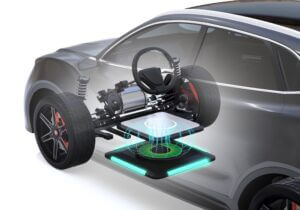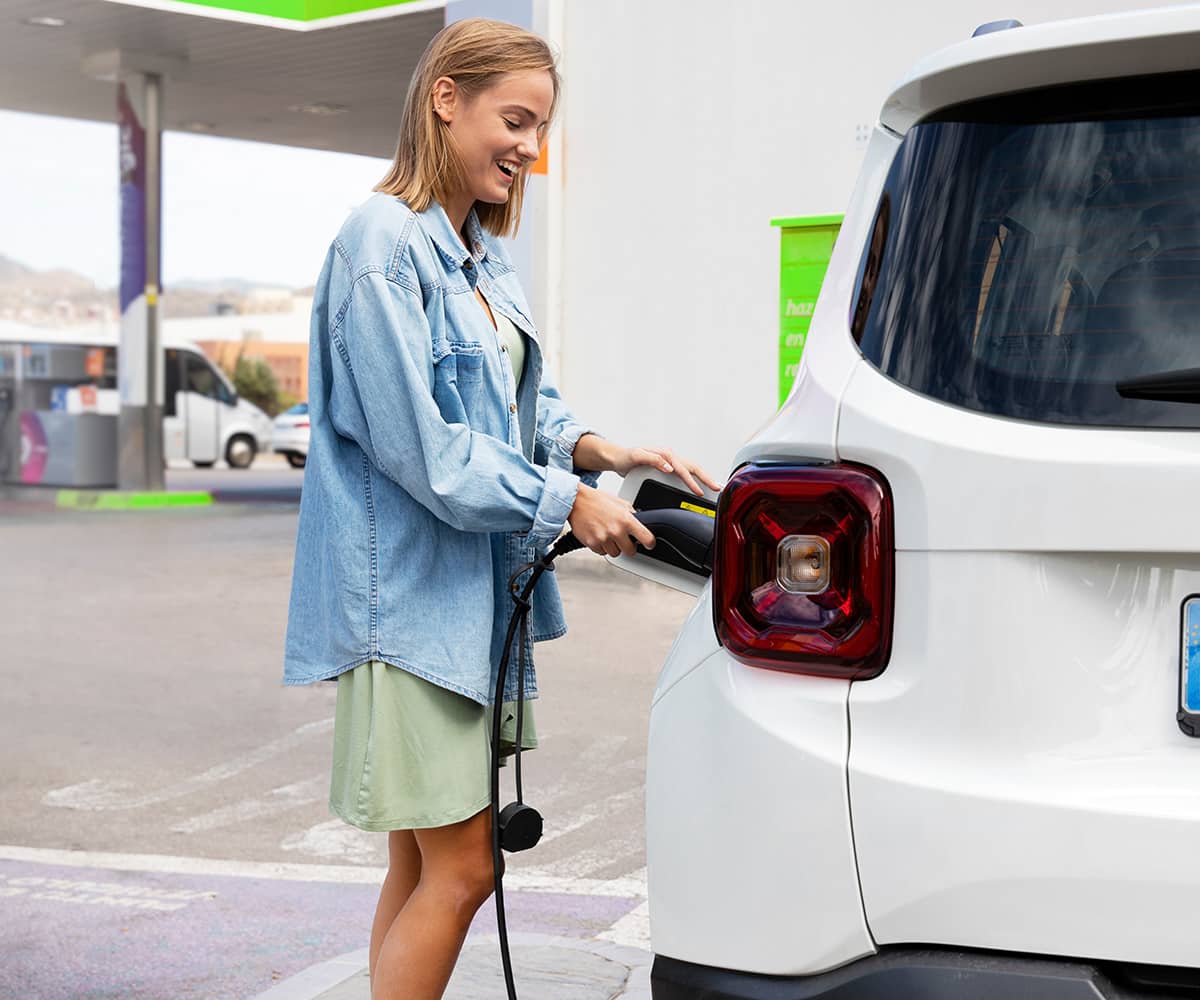
The effects of the fuel, energy, and food crises that are said to be approaching are being felt everywhere and have become worrisome for most people – especially those from low-income families.
It is therefore understandable why many people are wondering what can be done to reduce costs during this time, but can electric or hybrid vehicles help?
Below are some of the most common questions and myths about electric vehicles. After reading them, you will surely find it easier to decide which car is best for you.
Are electric vehicle batteries the best?
BEV battery motors are designed to extend the life of the vehicle itself, so they are better than the batteries in other types of vehicles that have been on the market so far.
Currently, about 80% of battery lifespans are 12 to 15 years, and work is underway to increase this to 20 years in the future.
Will electric cars become cheaper before the 2035 ban on gasoline cars?
Yes, not only because battery technology is advancing dramatically and costs could be reduced by up to 50%, but also because electric vehicles are simpler to build. They require far fewer moving parts.
As a result, production costs could be reduced by 20 to 40% by 2030, and cars will be cheaper to operate and build than they are today.
Are electric vehicles safe and how do they perform in different environments?
Looking at the Tesla, it seems that electric vehicles are safer than ICEVs. The Tesla has consistently ranked as the safest car in crash tests because the battery is incredibly durable.
Similarly, the weather doesn’t seem to affect the functionality of electric vehicles as much as it does gasoline cars. Norway has more electric vehicles per capita, and the country’s extreme cold hasn’t affected them enough to make people dislike them.
In extreme weather, electric vehicles are, ironically, safer to drive than ICEVs. This is because the electrical system is completely sealed to the highest standards. BEVs don’t require an air intake like internal combustion engines. They can drive through extremely deep water without polluting it with oil because there’s not the same risk of leakage.