
Types of EV Chargers, advantages and full guide
Electric vehicles (EVs) have revolutionized the automotive industry, offering a cleaner and more sustainable mode of transportation. As the popularity of EVs continues to soar, understanding the various types of EV chargers becomes essential for EV owners and enthusiasts alike. In this blog post, we will delve into the different types of EV chargers available, their unique features, and which scenarios they best cater to, empowering you to make informed decisions about charging your electric vehicle efficiently.
Basic and Convenient
Level 1 chargers are the most fundamental charging option for electric vehicles. They come as standard equipment with most EVs and utilize a standard 120-volt household outlet. Although slow, with charging rates typically around 4-5 miles of range per hour, Level 1 chargers are convenient for overnight charging at home. If you have access to a regular wall socket, you can plug in your EV without the need for additional charging infrastructure.
| Pros | Cons |
|---|---|
| Easy to use and readily available in most homes.No installation costs or special wiring are required.Ideal for daily commuting and overnight charging. | Slower charging compared to other charger types.Not suitable for long-distance or rapid charging needs. |
Fast and Versatile
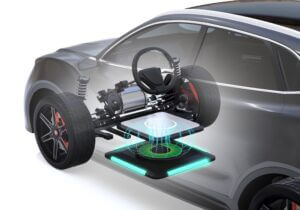
Level 2 chargers operate at 240 volts and offer significantly faster charging speeds than Level 1 chargers. With charging rates ranging from 10 to 60 miles of range per hour, Level 2 chargers are well-suited for home installations, workplaces, and public charging stations. They require a dedicated 240-volt circuit and professional installation, making them a popular choice for EV owners seeking more convenience and faster charging times.

| Pros | Cons |
|---|---|
| Faster charging allows for efficient top-ups during the day.Suitable for a wide range of settings: homes, workplaces, and public locations.Compatible with most EVs using standard charging connectors (e.g., J1772). | Installation costs may vary depending on electrical infrastructure requirements.Limited rapid charging capabilities compared to DC fast chargers. |